

Heat isn’t about punishment. It’s about balance. It’s about preservation. It’s about identity.
Across continents and centuries, chili peppers have shaped cuisines not as shock value, but as structure. In some places, spice is the foundation of a dish. In others, it’s the finishing touch. Sometimes it’s bright and fruity. Sometimes it’s smoky and deep. But everywhere, when it’s done right, heat builds flavor first and fire second.
Here’s how the world does it.
In places like Jamaica and Trinidad and Tobago, peppers such as Scotch bonnets deliver more than heat. They bring sweetness, fruitiness, and aroma. That’s why they work so well in jerk marinades and slow-simmered stews.
Caribbean heat is layered with thyme, garlic, citrus, allspice, and smoke. The spice doesn’t stand alone; it plays off brightness and char. The result is a bold, rounded flavor that lingers without flattening the dish.
The lesson: heat should amplify, not dominate.
In countries like Nigeria and Ghana, chili peppers are often blended into oil-based sauces with tomatoes, onions, and fermented elements. The heat is built into the base of the dish, not added at the end.
This approach creates depth. Spice becomes structural. It carries umami and anchors stews, rice dishes, and grilled meats.
Instead of asking “How hot is it?” the better question is “How does it support everything else?”
When heat is foundational, the entire dish feels alive.
In India and across the region, chili heat works alongside cumin, coriander, turmeric, ginger, and garlic. Spices are bloomed in oil. Aromatics are added in stages. Heat is introduced deliberately and often balanced with herbs, yogurt, or acid at the finish.
This creates complexity. The first bite isn’t the whole story. The heat unfolds.
The lesson here is precision. Spice should evolve as you eat, not overwhelm immediately.
In Mexico, peppers are used in multiple forms: fresh, dried, toasted, smoked, and powdered. Each form changes the personality of the heat.
Fresh jalapeños bring brightness. Dried chiles add earthiness. Chipotles contribute smoke and depth. Árbol peppers deliver sharp, clean fire.
Salsas are everyday staples, not special-occasion condiments. Heat is woven into daily meals in ways that feel natural and balanced.
The takeaway: intensity isn’t the goal. Integration is.
In South Korea, gochugaru (Korean chili flakes) provides warmth without aggressive burn. Combined with fermentation — as seen in chili pastes and kimchi — heat becomes savory and complex.
Fermentation softens the edges. It rounds the spice and adds depth you can’t fake.
This style of heat glows rather than spikes. It’s steady and satisfying.
In the United States, heat is a blend of global influence and regional identity. Vinegar-forward pepper sauces in the South. Sweet-heat barbecue blends in the Midwest. Small-batch craft hot sauces inspired by Caribbean, Mexican, and Asian traditions.
American heat culture thrives on experimentation. It borrows, adapts, and remixes. One bottle might lean smoky and sweet. Another sharp and acidic. Another fruit-forward with serious burn.
The best of it respects global roots while building something new.
Below is a simplified look at how different traditions approach spice.
| Region | Heat Level | Flavor Profile | How It’s Used |
|---|---|---|---|
| Caribbean | Medium–High | Fruity, bright, herbal | Marinades, stews, grilled meats |
| West Africa | Medium–High | Savory, oily, fermented | Sauce bases, rice dishes |
| South Asia | Variable | Aromatic, layered, warm | Curries, masalas |
| Mexico | Mild–High | Earthy, smoky, fresh | Salsas, moles, daily condiments |
| Korea | Medium | Fermented, savory, rounded | Pastes, stews, vegetable dishes |
| United States | Variable | Acidic, smoky, sweet-heat | Finishing sauces, BBQ, wings |
The pattern is clear. Heat works best when it has context. When it’s paired with acid, sweetness, smoke, or fermentation, it becomes dimensional
Across cultures, the philosophy is consistent:
Heat balances richness.
Spice builds structure.
Peppers enhance, they don’t overwhelm.
The goal isn’t to prove tolerance. It’s to create flavor that lingers and invites another bite.
Spice has no borders. But it always has intention.
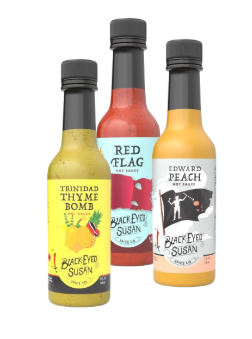
Email us today to bring our award-winning sauces and rubs to your shelves.